Can AI replace traditional video agency work?
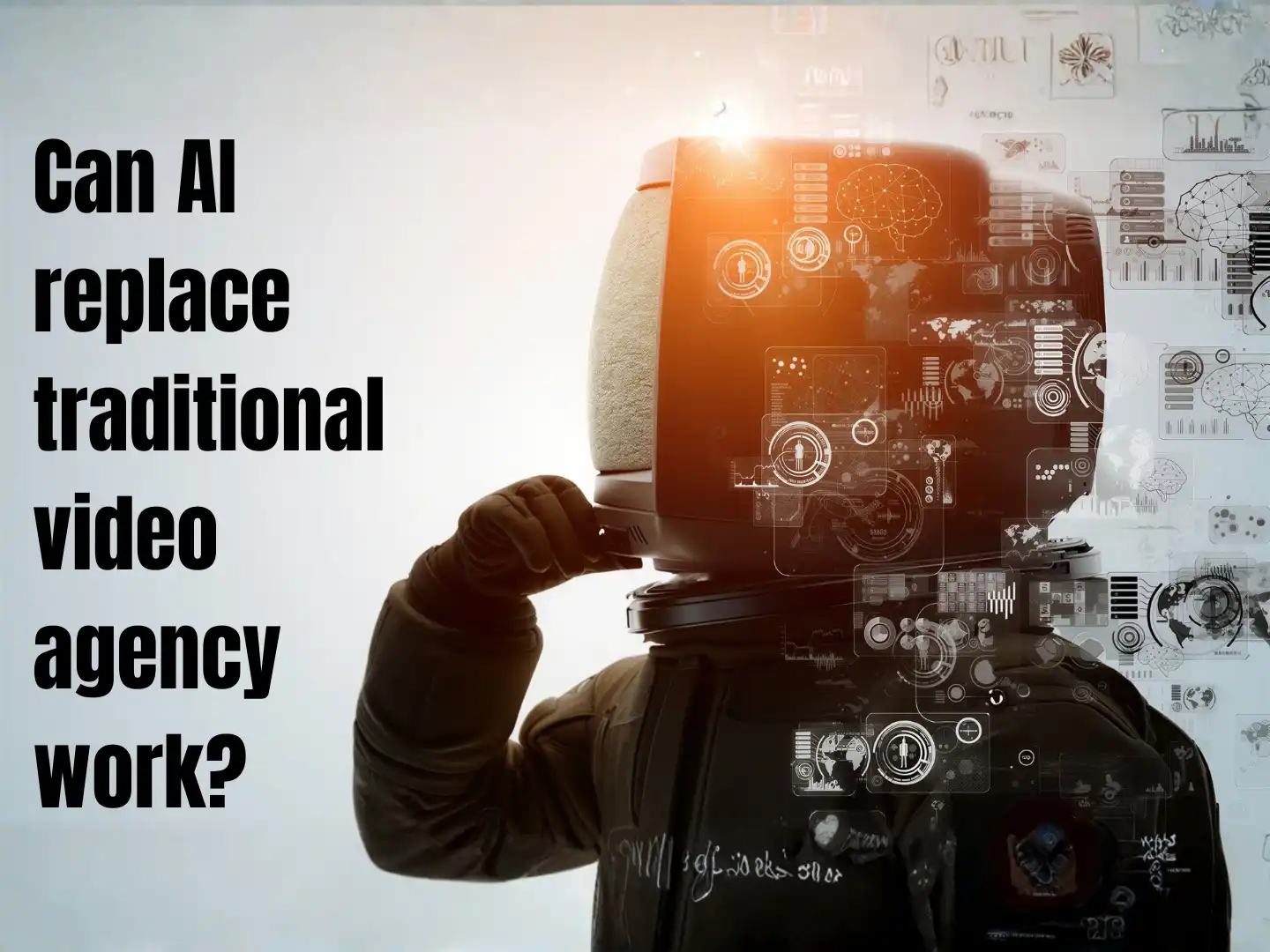
Artificial Intelligence is no longer a distant innovation discussed only in tech forums. It is actively reshaping the way businesses create and distribute content. Video continues to dominate digital engagement and influence how brands communicate across social media, websites and OTT platforms.
With these rapid advancements, a natural question arises: can AI replace traditional video agency work altogether? Tools offering AI video editing service capabilities can now automate complex tasks that once required dedicated teams. Yet video production is not only a technical process; it is a creative discipline grounded in storytelling, strategy and human insight.
This blog explores whether AI can fully substitute traditional agency expertise, or whether the future lies in collaboration between intelligent automation and human creativity.
Can AI Fully Replace Traditional Video Agency Work?
While AI brings undeniable efficiencies, replacing traditional agency work involves evaluating dimensions beyond automation — including strategic thinking, emotional intelligence and collaborative leadership.
-
1. Strategy and Creative Vision Cannot Be Fully Automated
Effective video production begins with understanding a brand’s purpose and positioning also audience. Strategy involves interpreting cultural context and competitive landscape even long-term marketing goals. AI can process data patterns, but it cannot intuitively interpret human emotions or business aspirations in the way experienced strategists can.
Traditional agencies invest time in research, stakeholder alignment and conceptual development. They craft narratives that reflect not only what a brand offers, but why it matters. While the best AI video production company in India may leverage automation for efficiency, the strategic backbone of impactful campaigns remains rooted in human judgment and creative foresight. AI can support ideation, but it cannot independently define vision. -
2. AI Excels in Repetitive and Data-Driven Tasks
Where AI demonstrates significant strength is in handling repetitive and technically demanding tasks. Automated captioning, background noise reduction, shot sequencing and basic visual adjustments are areas where AI tools improve productivity. Many brands rely on AI video editing service platforms to accelerate post-production and reduce turnaround times.
For high-volume campaigns such as social media ads or promotional snippets, AI-powered automation can be particularly valuable. It enables marketing teams to generate multiple variations quickly, test creative outputs and adapt campaigns efficiently. In these contexts, AI acts as an enabler, freeing human professionals to concentrate on refining narrative and creative direction rather than performing routine technical tasks. -
3. Emotional Storytelling Requires Human Sensitivity
Storytelling that resonates deeply with audiences depends on empathy, cultural awareness and creative interpretation. AI can structure content logically, but emotional pacing, humour, subtle tension and human nuance require lived experience and contextual understanding.
A testimonial video, for instance, may require delicate editing choices that balance authenticity with persuasion. A corporate brand film may depend on timing and visual rhythm that evoke trust and inspiration. These elements stem from creative instinct rather than algorithmic prediction. While AI can assist with technical refinement, it cannot genuinely feel the emotional currents that drive compelling storytelling. -
4. Collaboration and Direction Demand Human Leadership
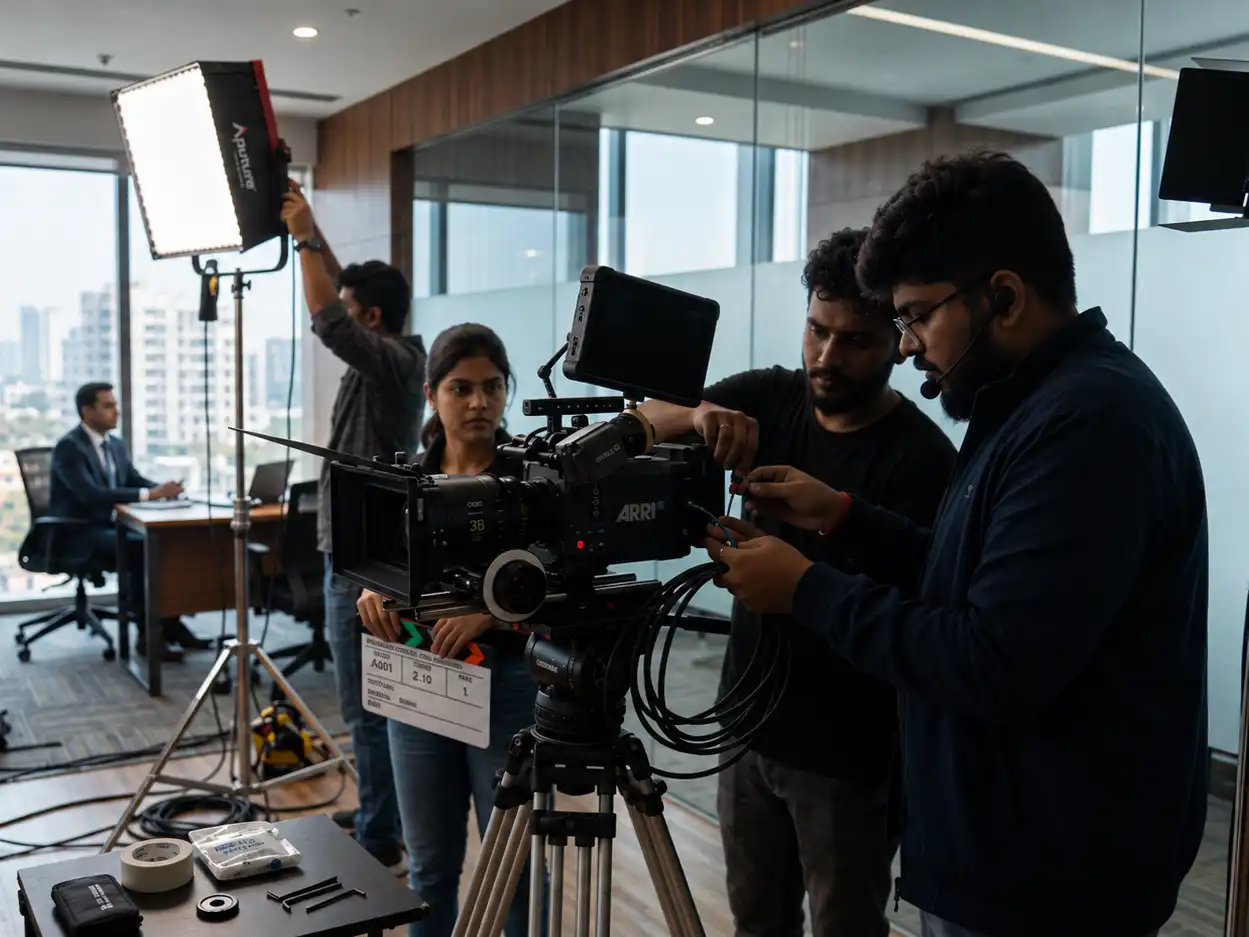
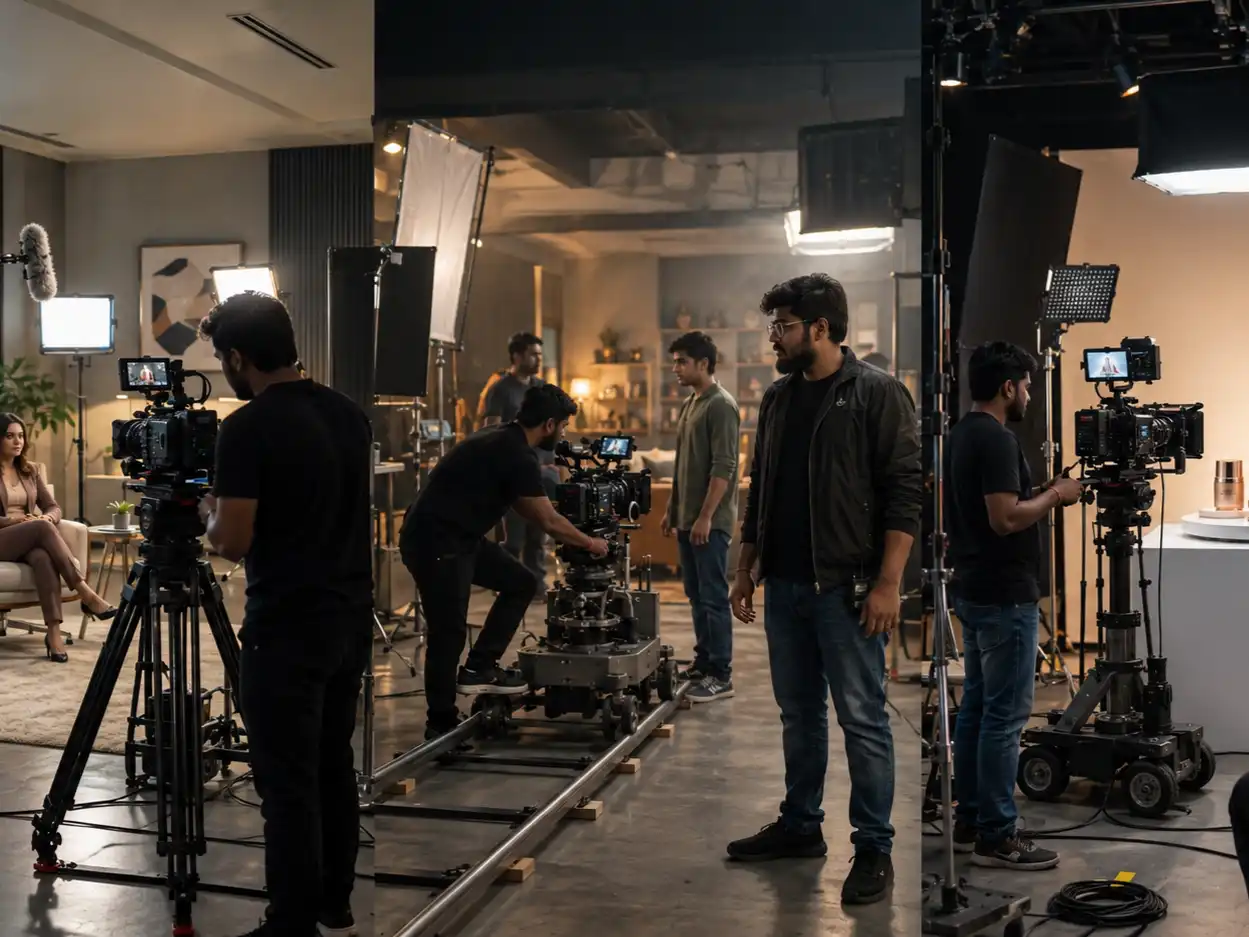
Video production is inherently collaborative. Creative directors, cinematographers, editors and brand managers work together, adapting ideas through discussion and feedback. This collaborative dynamic cannot be replicated by AI systems alone.
Human leadership ensures alignment with brand values and marketing objectives. It also allows teams to respond flexibly to real-time challenges, whether during a shoot or in post-production. AI tools operate within defined parameters, but they do not orchestrate creative teams or manage client relationships. The relational aspect of agency work remains distinctly human. -
5. Technical Craft and Artistic Judgment Go Beyond Algorithms
AI tools can recommend colour grading presets or transition styles, yet artistic judgment extends beyond applying templates. Cinematic framing, lighting composition and nuanced editing rhythms require a level of craft developed through experience.
Professional video agencies integrate technical precision with artistic intention. The interplay between light, sound and movement often reflects a deliberate creative philosophy rather than automated choice. While AI contributes speed and consistency, the refinement that elevates a video from functional to memorable remains the result of human expertise.
How Human Expertise and AI Can Complement Each Other
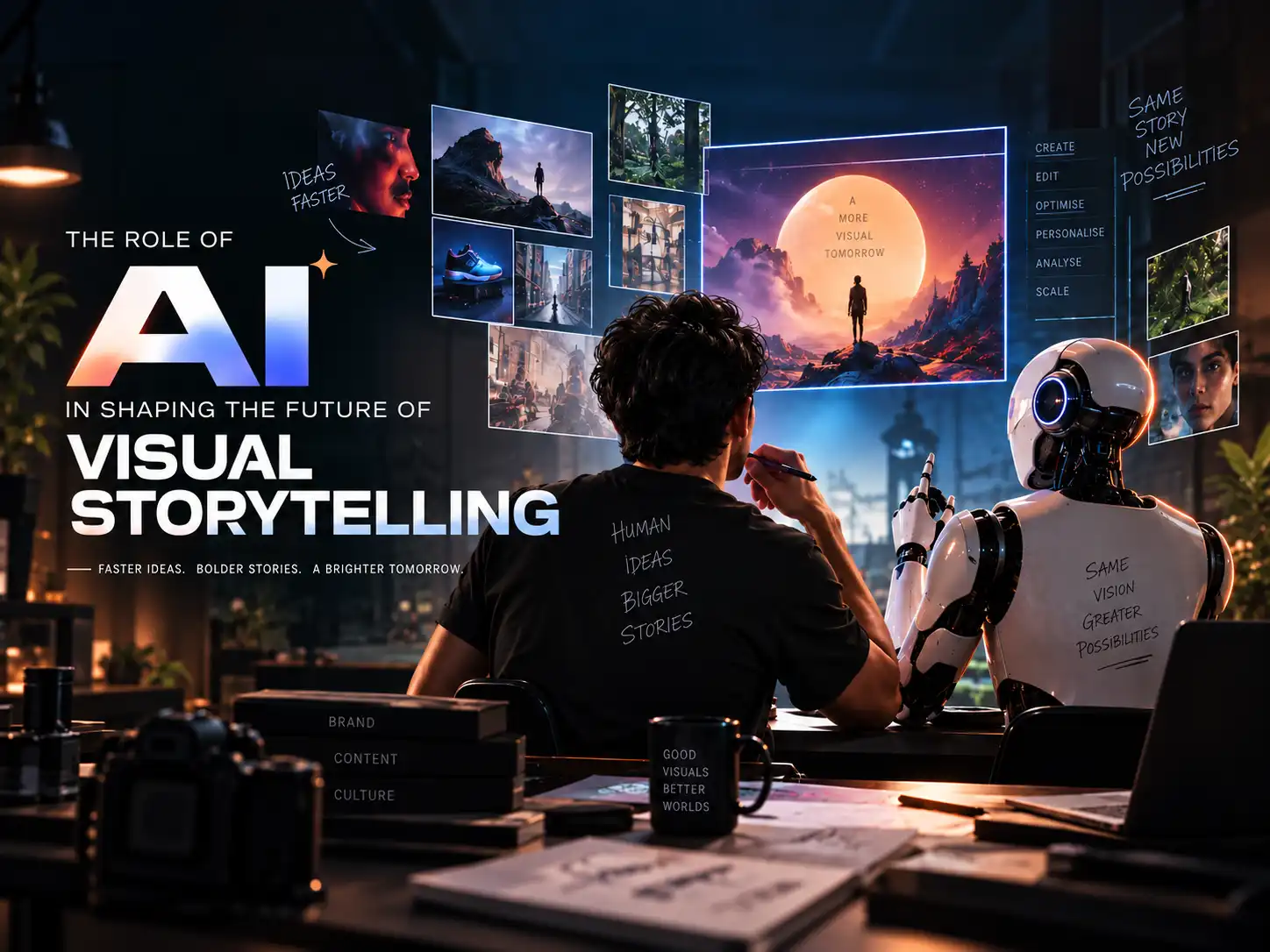
The most effective approach in 2026 is a hybrid model. AI handles efficiency-driven processes, while human professionals provide strategic and creative leadership.
- Human-led strategy with AI-assisted execution: Strategic direction defines the narrative, while AI streamlines editing and formatting.
- Data-backed insights with emotional interpretation: AI highlights performance trends; humans translate them into meaningful creative decisions.
- Scalable output with curated refinement: AI produces drafts and variations; editors refine and elevate them.
- Speed with storytelling integrity: Automation accelerates workflows without compromising narrative depth.
Conclusion
AI has undeniably reshaped video production workflows. From automating editing tasks to analysing audience data, AI video ads creation services and related technologies offer measurable advantages in efficiency and scalability. For brands seeking faster turnaround and cost optimisation, these tools are invaluable.
AI enhances, accelerates and supports — but it does not replace the vision and judgment that experienced professionals bring to the table.
The future of video production lies not in choosing between AI and traditional agencies, but in integrating both. By combining intelligent automation with human creativity, brands can achieve scalable efficiency while preserving authenticity and strategic depth.
FAQs
No. AI enhances technical efficiency, but strategic storytelling and creative leadership remain human-driven.
Yes. Automation reduces editing time and operational costs, making high-quality video more accessible.
AI accelerates repetitive tasks such as captioning, colour correction and format optimisation.
Absolutely. Human expertise ensures brand authenticity, emotional resonance and strategic alignment.
Recent Blogs